Why plant avocado trees?

The women of Lafon, in cooperation with Cultural Capital Haiti, have been working to reforest vulnerable areas with avocado trees. These trees provide a number of benefits to the community and the larger ecosystem.
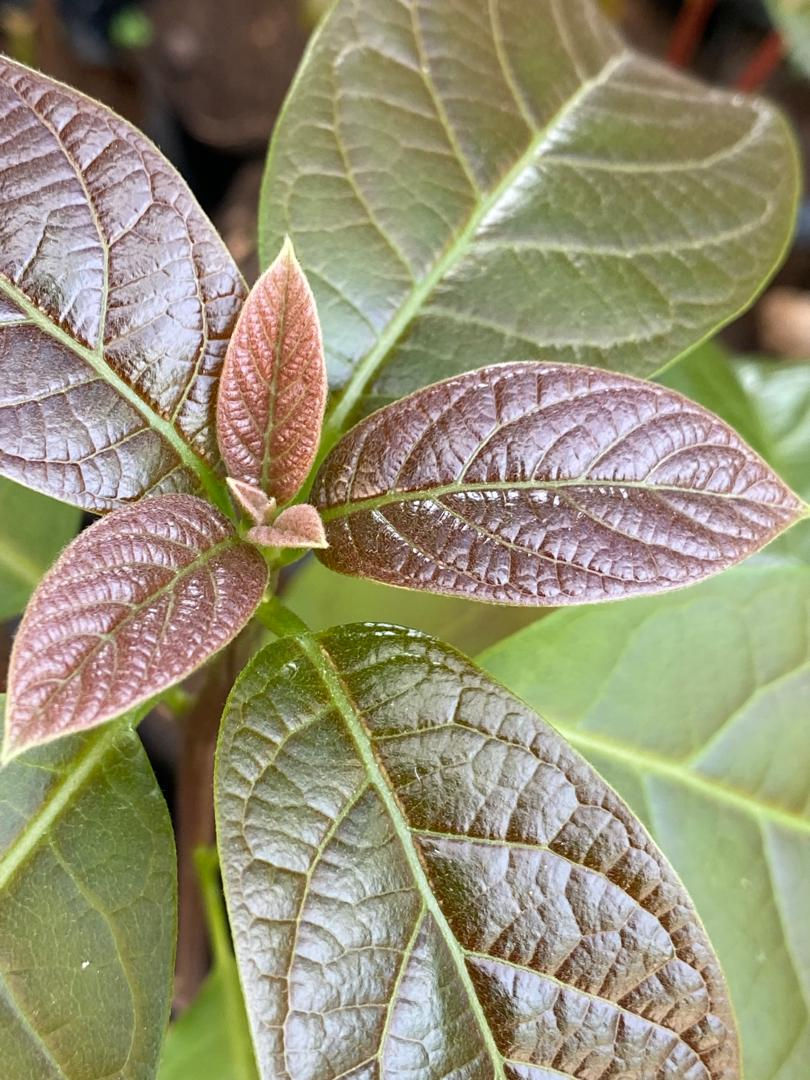
Indeed, avocados are one of the most important tree crops in Haiti, providing much-needed nutrition to rural populations. The avocado, whose scientific name is Persea americana, is native to Mesoamerica was originally domesticated by Amerindian populations. The tree can reach a great height, sometimes as high as 15 to 20 meters, providing habitat for numerous bird and insect species, as well as lizards and small mammals, and even epiphytic plants like mosses and ferns.
Nutritionally, the fruit is rich in monounsaturated fats, which are good for cardiovascular health. It helps reduce bad cholesterol and promotes good heart function. The avocado is rich in vitamins, minerals and magnesium, which help the body function properly.
In terms of medicine and cosmetics, avocado has antibacterial and antioxidant properties. It is used to relieve various skin problems such as irritation and sunburn. The oil extracted from the fruit is also used as a massage oil, appreciated for its ability to moisturize the skin.

In addition to its food and medicinal uses, avocado has also been used in the manufacture of indelible red dye, which is extracted from the fruit's seed.
Faced with the environmental degradation that exists in many regions of Haiti, planting an avocado garden represents a sustainable and beneficial solution. Thanks to its adaptation to the ecological conditions of tropical areas, its high nutritional value and its many uses, avocado can contribute to reforestation, food security, and the improvement of the living conditions of the population.
That is why we have taken it upon ourselves to promote the cultivation of avocados in degraded regions all around Lafon and surrounding areas, in order to foster ecological, economic, and social development.

––Fabienne Lerine
President, Women's Association for the Development of Lafon
(Translated by Michael Dylan Rogers)


Comments